


Tuesday, April 08, 2014
Windows XP No Longer Supported
Hello & Happy Spring!
Today is the last day for Windows XP :) No more updates for this operating system :) This could mean vulnerability. If you haven't moved on to a newer computer and OS yet, you best get to it!
If you use Microsoft Security Essentials on the XP system, it too, will no longer be supported!
No Oracle Java, No Adobe Flash or Shock wave, Reader, Mozilla's Firefox Browser, possible browser add-ons, extensions, plugins, etc will update either.
You still can use your system, just not on the internet or installing any newer programs that may need updated support.
A couple of years back we took in the Windows 7 on the PC and laptops. Thou there are many things I love that are missing, well, not really missing, just a totally new, all bet, longer way to do these things, I have grown accustom to it. And you will too. Some friends went the Windows 8 way but I just couldn't get use to all those fingerprints interfering with my projects. I just need the pen or mouse, all those fingerprints are more distracting and even with a smartphone, this touch system is kind of lame at times :)
So I am back in the city for a few weeks after taking too hard of a chew the other day, hurting my tooth and blowing up my face with infection. Peter, here i come! I will also be Spring cleaning the house and setting up the outdoors for the boys, my normal every year things, gardening too. It's going to take me longer then normal as I didn't make it down here for Christmas so I have a lot to do :) Once I am done I am outta here. I really don't miss living down here. It's too loud and stinky and smog covers the area in a sheet of carbon fumes from the vehicles. Man, you don't see it when you're in it, but step back and WOW.
So get up to date with your OS, if you haven't already.
I may come back and post some stuff or I may not, it depends on how much time I can spare before turning in for the night. Okay. Off to get the boys and myself some much needed food. I am cringing to eat anything besides soup with unsalted crackers soaked in it.
Have a beautiful day & Happy Spring :)
Huggins
Pat
:)

Sunday, June 30, 2013
Good bye Google Reader, We Will Miss You!
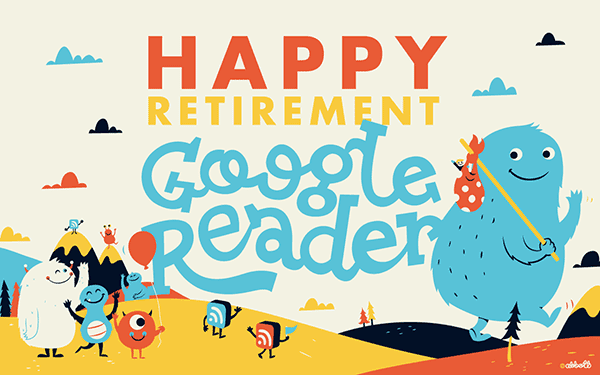
Today is a sad day.
At midnight, Google Reader will be saying so long to all of us who use this awesome tool to feed read.
I wished this exact same format of feed reader was available elsewhere but.....it's not!
But there is something very close! And it's known as Feedly!
I have chosen Feedly as my new feed reader. If you use Firefox, there is an extension for it.
It's a bit different but with a little look around I was able to adjust to the formats quite easily.
There are a few different layouts and the side panel pops in and out.
I found a few glitches already but in time I think they will work them out. They are minor.
I didn't care for the search.
I am so accustom to the Google Reader format.
The adjustment to Feedly will take a bit, but with daily use, I will soon feel right at home :)
Happy Canada Day to Our Canadian Friends!
and
Happy Independence Day to Our American Friends!
May this long weekend find us all Having Lots of Summer Fun!
Huggins
Pat
:)
Friday, June 29, 2012
My Canada Kit - Freebie
Hey folks, Tyler's teacher called me up and asked my to create a Canada Day Kit for the class.

Read more about that and get your FREE KIT at my blog, just follow the link below
http://pmossgate.wordpress.com/2012/06/29/my-canada-free-kit/
Huggins
Pat

Read more about that and get your FREE KIT at my blog, just follow the link below
http://pmossgate.wordpress.com/2012/06/29/my-canada-free-kit/
Huggins
Pat
Friday, June 15, 2012
Saying So Long With a Free kit
Hello All;
Happy Summer!
Please read my post on my blog at the link below and get your Free and Final Kit from me.
http://pmossgate.wordpress.com/
Happy Summer!
Please read my post on my blog at the link below and get your Free and Final Kit from me.
http://pmossgate.wordpress.com/
Wednesday, March 28, 2012

Thursday, March 22, 2012
Easter Freebies Galore
Hello Digital Scrapers;
I have about 650MB of Freebie for you. Want to have a look? Maybe download some?
Then head on over to Easter Freebies to have your pick.
Here's a tease

See you there :)
Huggins
Pat
I have about 650MB of Freebie for you. Want to have a look? Maybe download some?
Then head on over to Easter Freebies to have your pick.
Here's a tease

See you there :)
Huggins
Pat
Sunday, February 12, 2012
My Favorite Toy QP Freebie
Good Morning Peeps.
I have a free quick page for you. Get it here.
I tried to insert the image but Blogger has weird issues.
Huggins
Pat M
I have a free quick page for you. Get it here.
I tried to insert the image but Blogger has weird issues.
Huggins
Pat M
Subscribe to:
Posts (Atom)